Quiet Cyclades
Cyclades off the beaten track
Eleven nights through Syros, Tinos, Naxos and Amorgos, the less-touristed side of the Cyclades, for travelers willing to trade frequency for quiet.
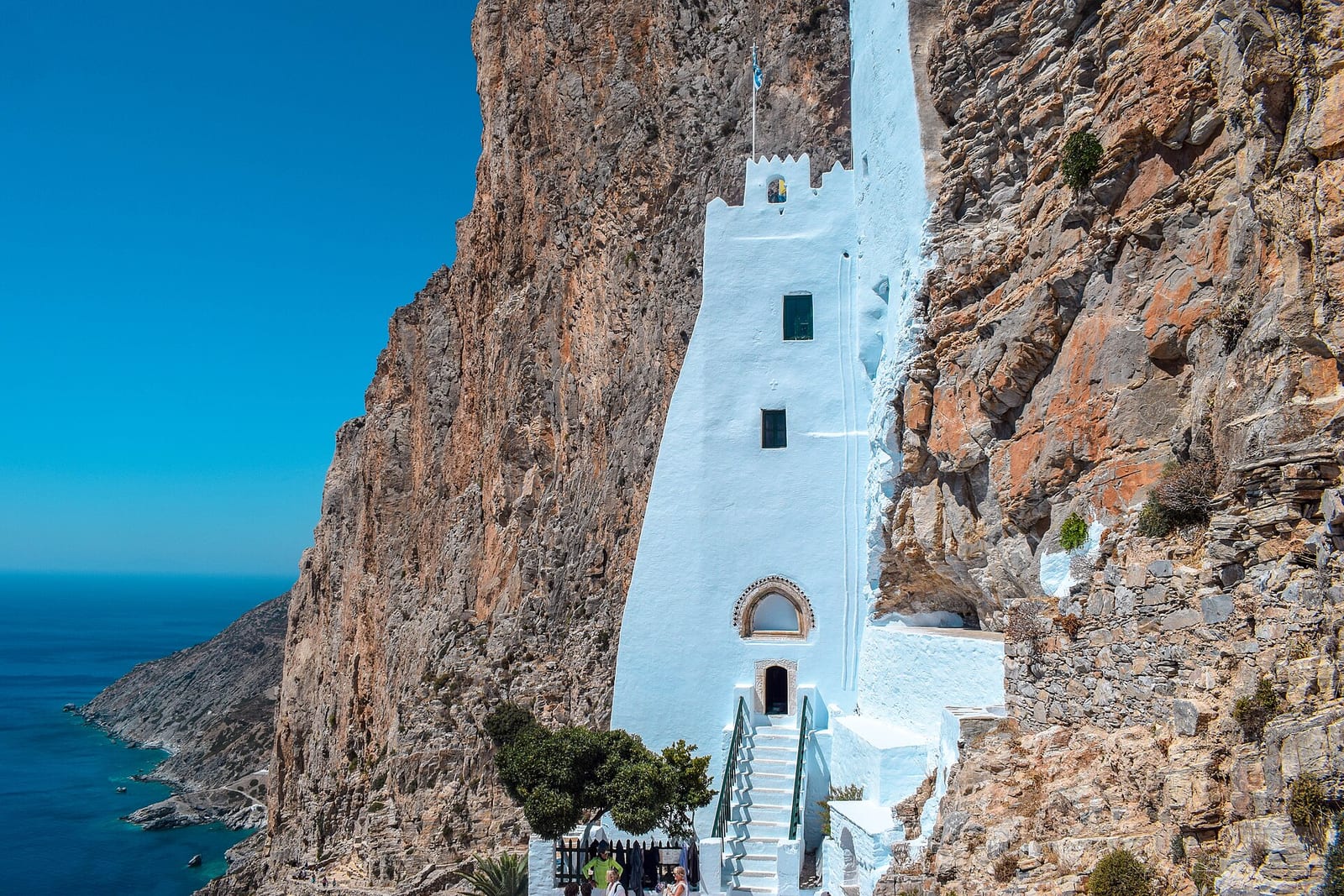
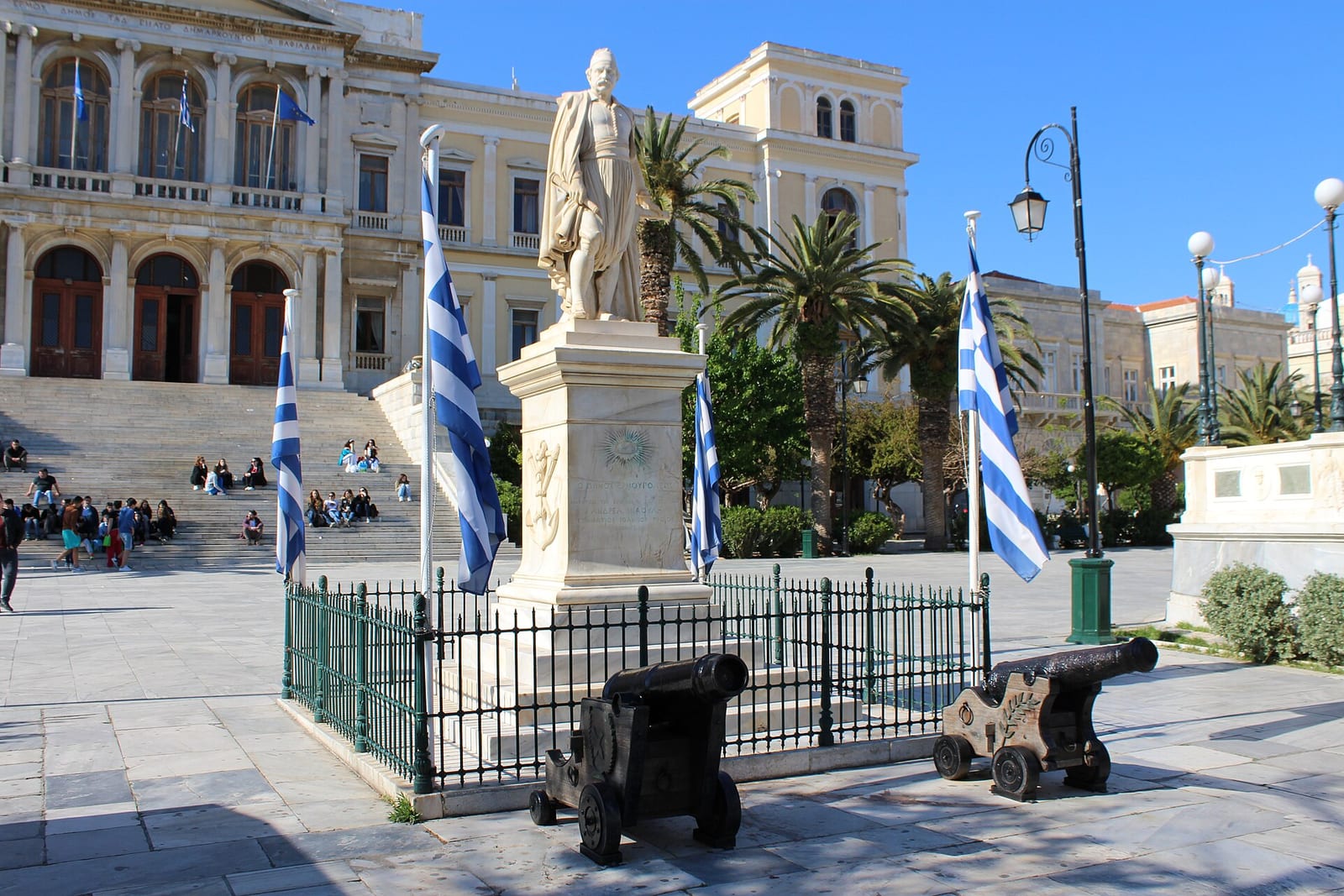
This is the longest and least conventional of the Cyclades routes: Syros for its handsome capital, Tinos for its pilgrimage town and marble villages, Naxos for scale and beaches, and Amorgos, reached last, for the kind of stillness the busier islands lost years ago. Eleven nights is needed because the connections here run less often than on the Mykonos–Santorini line, and because these islands reward slowing down rather than checking off.
Why this order
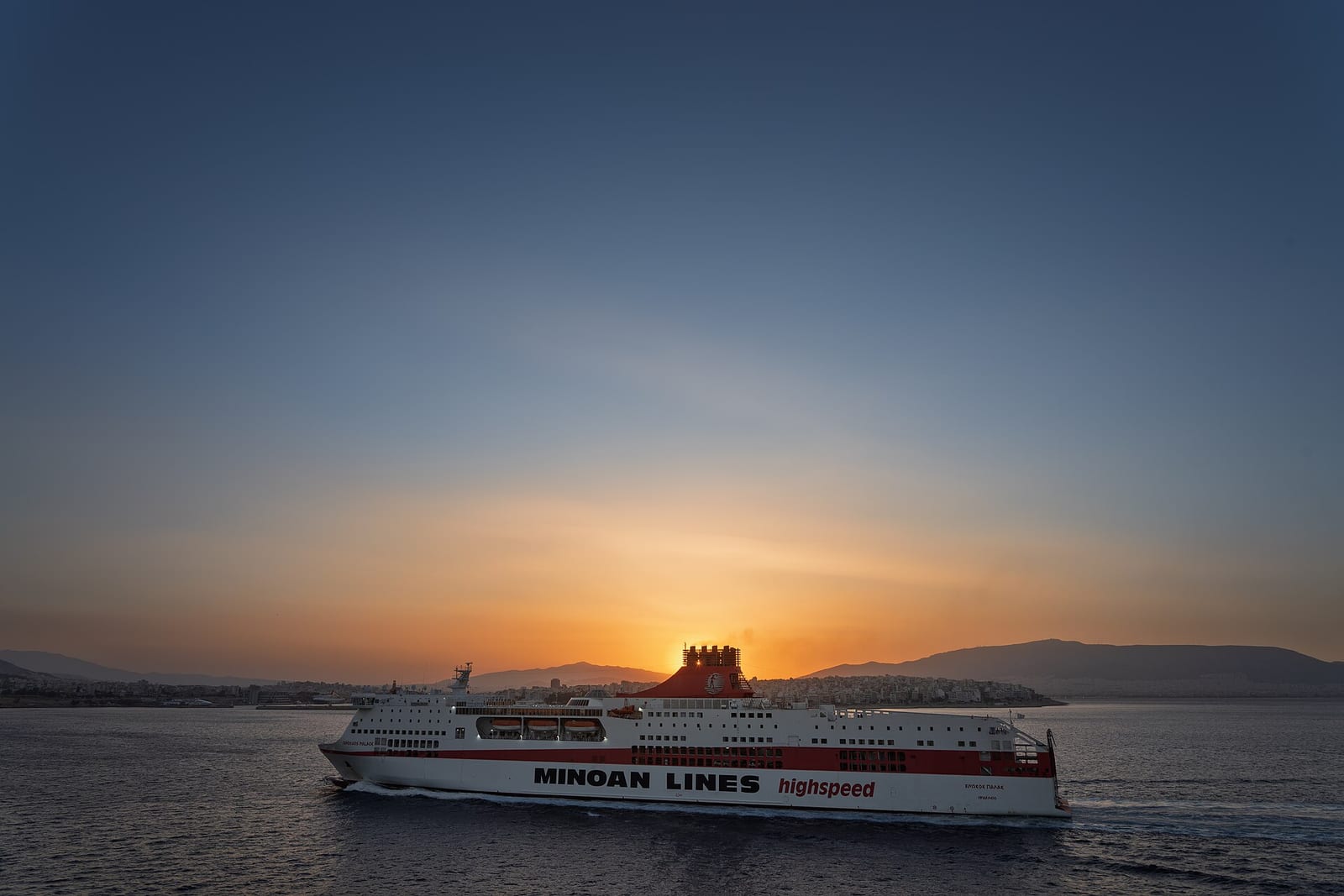
Syros gets four daily sailings from Piraeus, more than most of the western Cyclades, making it a practical first stop, and its short hop to Tinos runs on a dedicated local line. From Tinos, travelers work back through the regional network toward Naxos, which then connects to Amorgos on Blue Star's twice-daily service — the only scheduled option, so it needs booking ahead. Amorgos sits at the end because it is the trip's quietest, most remote island and has no airport of its own; ending here means the only way out is back through Naxos, suited to a relaxed pace rather than a tight schedule.
Best for
Suits repeat visitors to Greece, or travelers whose priority is quiet over convenience — this route has the lowest ferry frequency and least English-language infrastructure of any route in this collection. The relaxed pace matches islands with little to rush toward. Skip it if this is a first Greek trip, if you dislike islands with only one or two daily connections, or if eleven nights is more time than you can commit.
Islands on this route
- 1
- 2
- 3
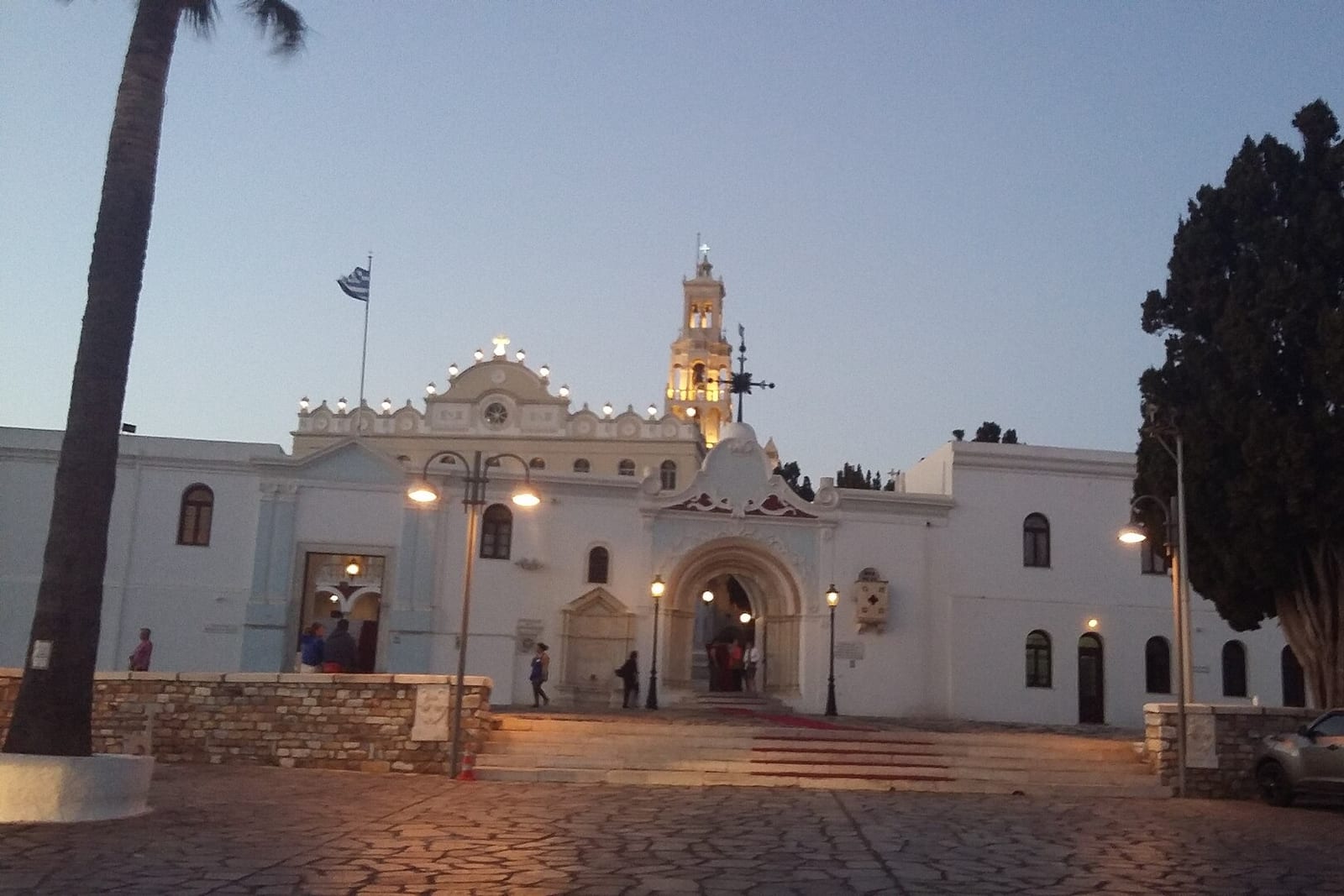 Tinos Recommended nights: 2–3 No direct ferry
 - 4
- 5
Who sails it
- SeaJets Official timetable
- Blue Star Ferries Official timetable
- Fast Ferries Official timetable
Frequently asked questions
Why this order?
Syros gets four daily sailings from Piraeus, more than most of the western Cyclades, making it a practical first stop, and its short hop to Tinos runs on a dedicated local line. From Tinos, travelers work back through the regional network toward Naxos, which then connects to Amorgos on Blue Star's twice-daily service — the only scheduled option, so it needs booking ahead. Amorgos sits at the end because it is the trip's quietest, most remote island and has no airport of its own; ending here means the only way out is back through Naxos, suited to a relaxed pace rather than a tight schedule.
Best for?
Suits repeat visitors to Greece, or travelers whose priority is quiet over convenience — this route has the lowest ferry frequency and least English-language infrastructure of any route in this collection. The relaxed pace matches islands with little to rush toward. Skip it if this is a first Greek trip, if you dislike islands with only one or two daily connections, or if eleven nights is more time than you can commit.
How we plan it?
Amorgos connects to the rest of the Cyclades on a single daily Blue Star service through most of the schedule, so book that return leg as early as any flight — there is no fast-ferry backup if it fills or cancels. Since Amorgos has no airport, plan the flight home from Naxos or Athens rather than assuming a same-day connection out of Amorgos itself.
Times, prices and frequencies are indicative and change by season and operator. Always confirm the live timetable before you book.